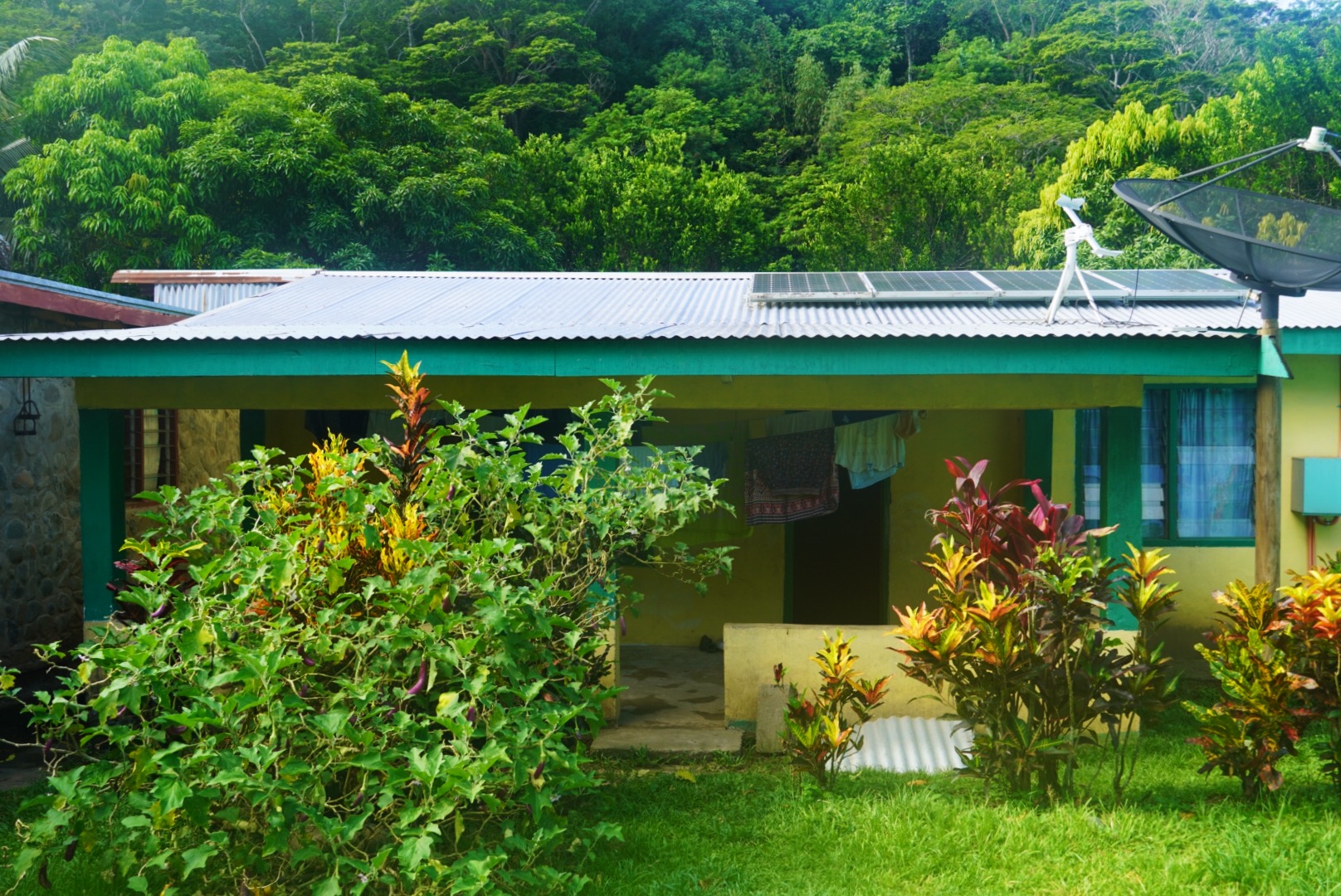
If you told me a year ago that I would be living in a spider-infested home and bathing in a river, happily, I would not believe it. I have lived in one bubble or another nearly my whole life, from my rather homogenous (but lovely) town of 7,000 people to attending boarding school. While my life has offered me numerous unique experiences and exposure to many things, “tough” living has not been one of them. However, it is exactly for this reason that during my gap year, I wanted to try something that would push me outside of my comfort zone.
In picking a program, I wanted to avoid the trap that many so-called volunteer programs fall into, “voluntourism”, i.e. disrupting a foreign community to do unneeded and disadvantageous so-called volunteer work. And so, after much deliberation, I signed up for a one month project in a Fijian village with Think Pacific. Unlike other programs, Think Pacific partners with the Fijian government to ensure its aims are in line with those of the country and its Ministry of Health, and villages must apply to host Think Pacific volunteers. For these reasons, I felt comfortable with the company and was eager to begin.
I read the website’s information and exchanged a few emails with past participants, but I purposely did not give myself any expectations for the project. I knew that having a glorified idea of it could leave me easily disappointed. I instead chose to keep an open mind and simply embrace the experience as is. With backpacks full of everything from reef shoes to rehydration salts, I set out for Newark Airport… then Los Angeles… then finally Fiji.
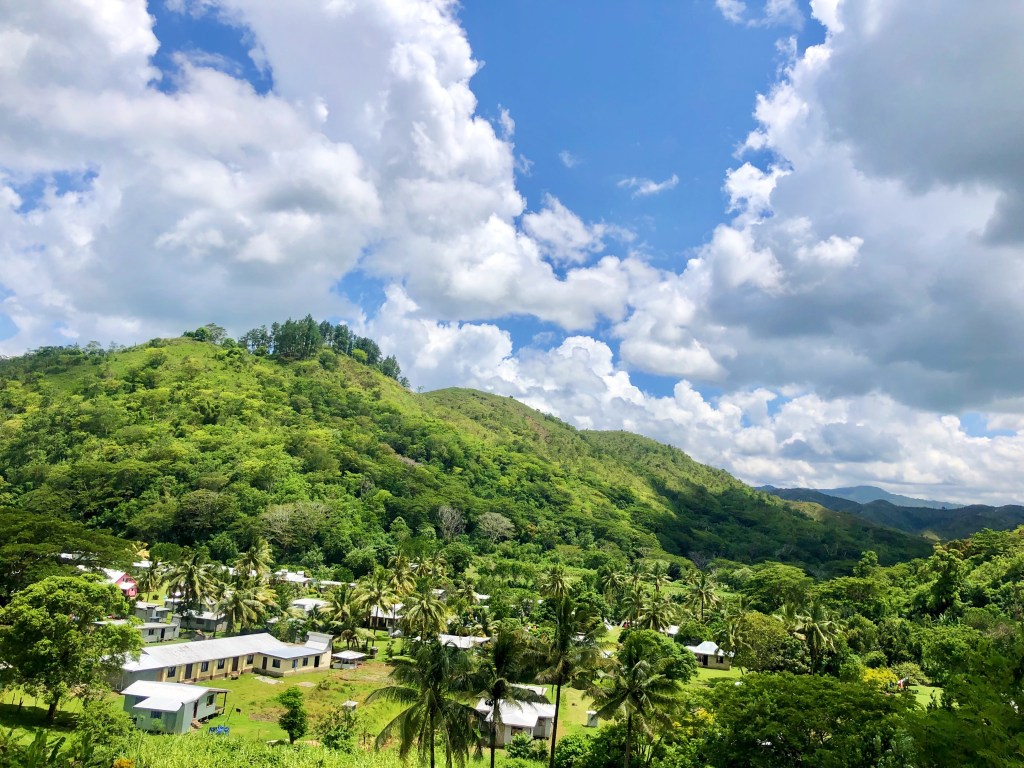
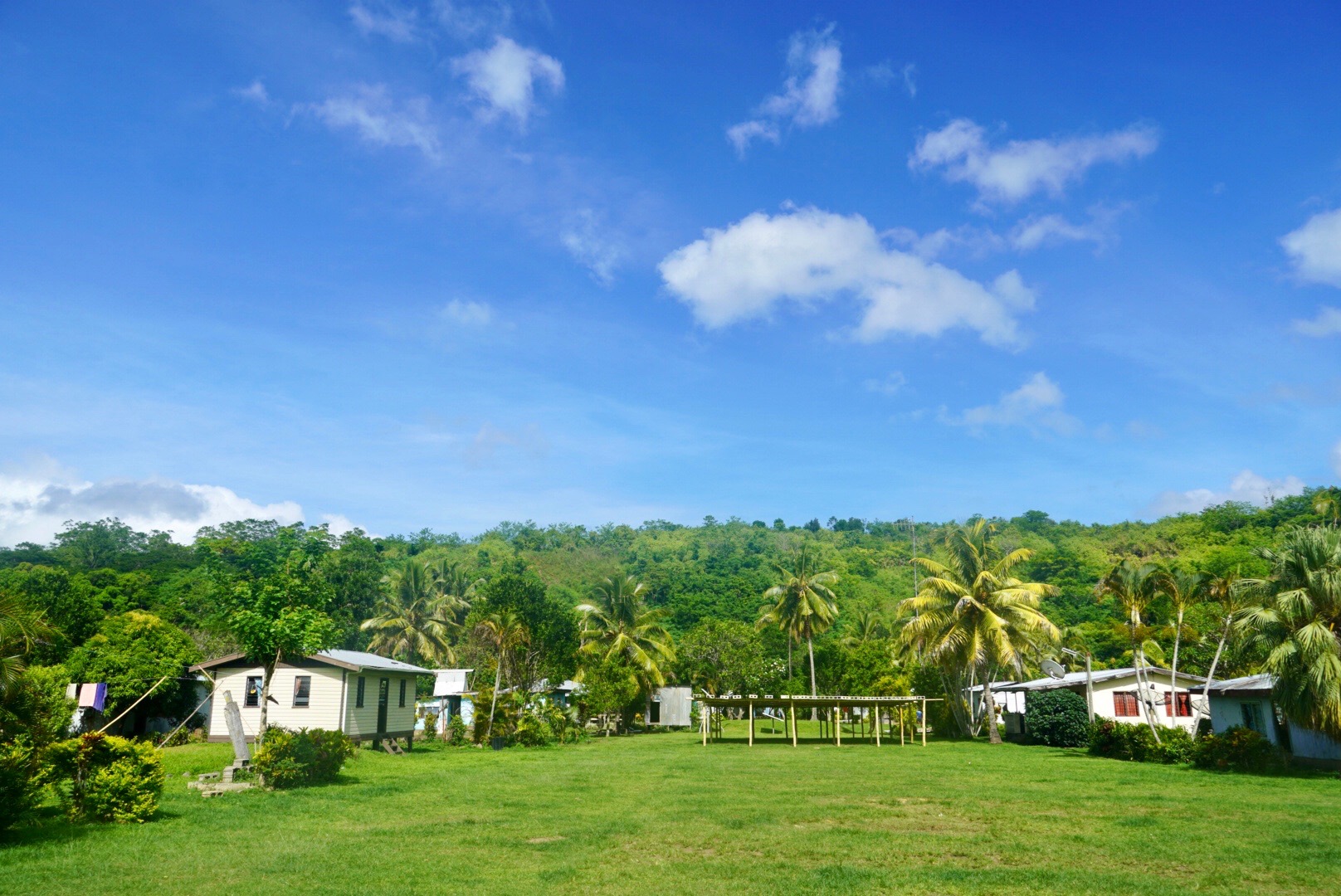
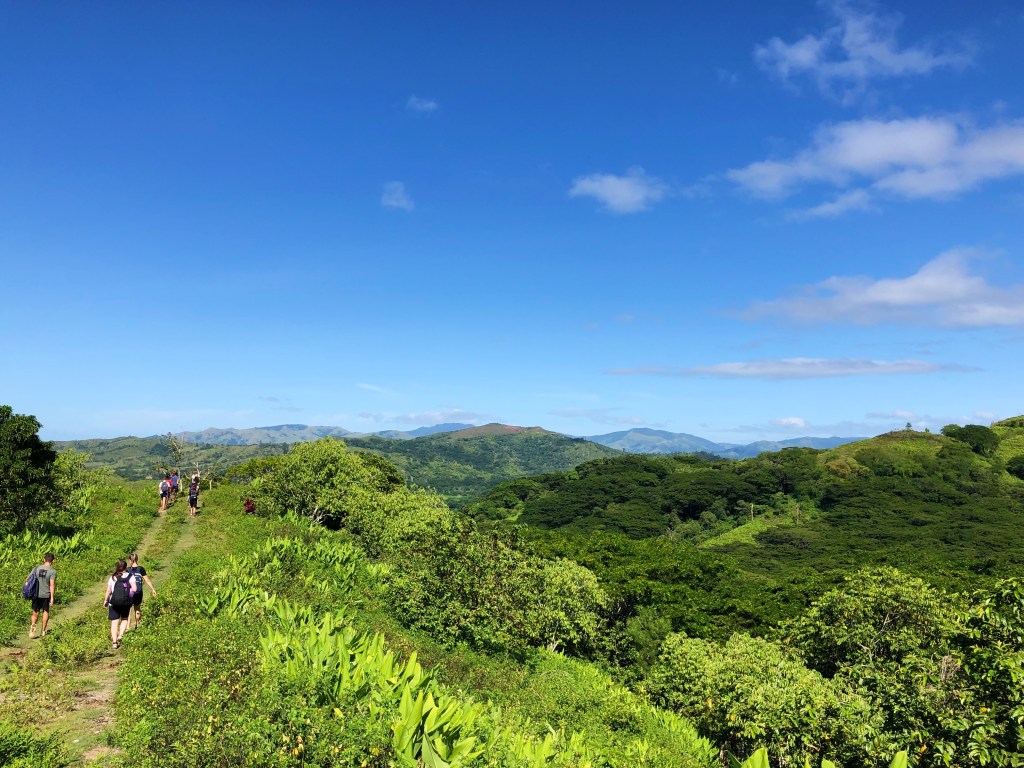
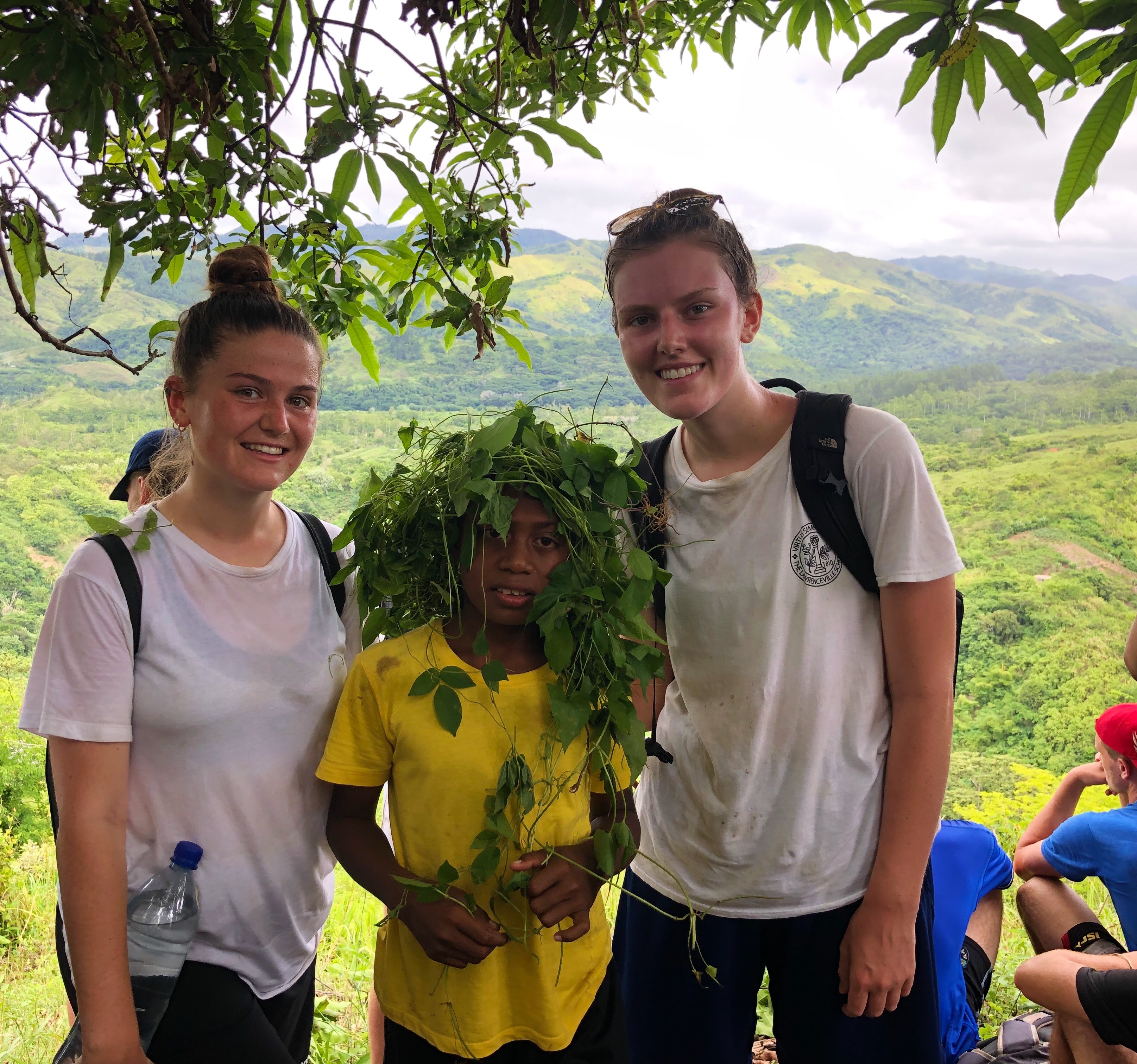
In our weekend-long briefing, we learned more about what the project would entail. Twenty-three volunteers and I would become part of the Nubuyanitu village, located in the highlands of Viti Levu (Fiji’s largest island), and live in pairs with host families. As volunteers, we would host workshops for village youths aged 18-35 about public and mental health, sports development, and leadership and life skills. Additionally, we would do extracurriculars with the school children and experience village life through cultural activities and excursions.
Also during briefing, I was warned about the aspects of village life that could cause culture shock, including cold bucket showers, limited privacy, bugs and rodents, and cultural and behavioral differences (ex. defined gender roles and patriarchal society). With that, we began our 4-hour truck drive, through many rivers, to the village.
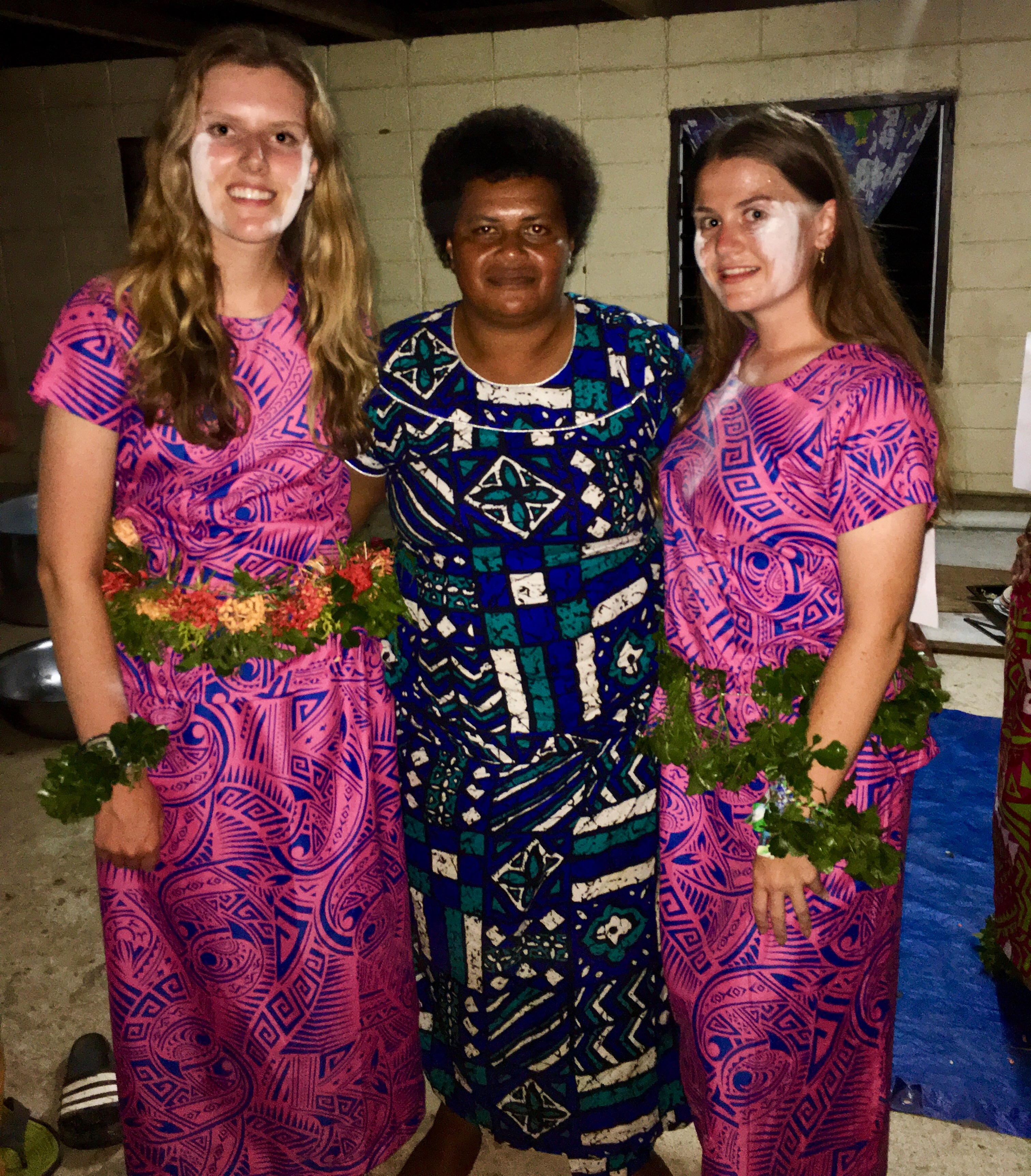
Upon arrival, my roommate and I met our host family and got settled in to our room. My family included a mom (Nene), dad (Momo), and three brothers – Vanua (4), Langi (7), and Timoci / “Jim” (11). Although, with all of the people around the house, it was at first difficult to determine who actually lived there. We also got to spend a lot of time with the kids’ adorable little cousin Sevu.

The first few days, I experienced culture shock (although I had a difficult time identifying my feelings as such). Some of my biggest shocks were minimal hand washing, bugs – including spiders the size of my palm – around our food and beds, diet (surprisingly, the Fijian diet has huge portion sizes and is heavy on fried food with minimal nutritional value), and especially at first, the traditional and often sexist rules (ex. only the father of the house can enter the front door). Also, the excessive and inescapable heat was never fun. But, I wanted to be pushed out of my comfort zone, so I had to embrace my shock as a sign of the project’s success.
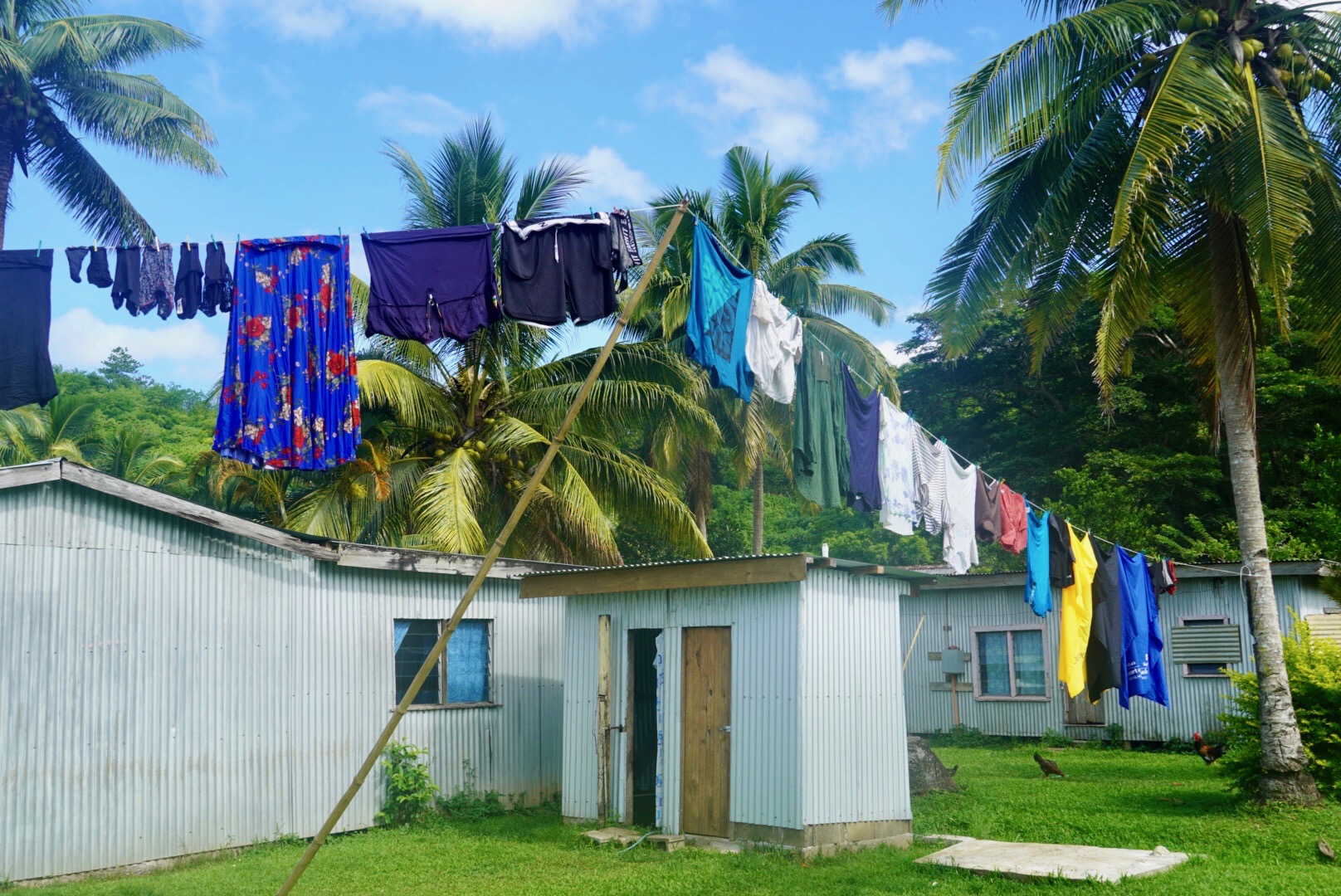
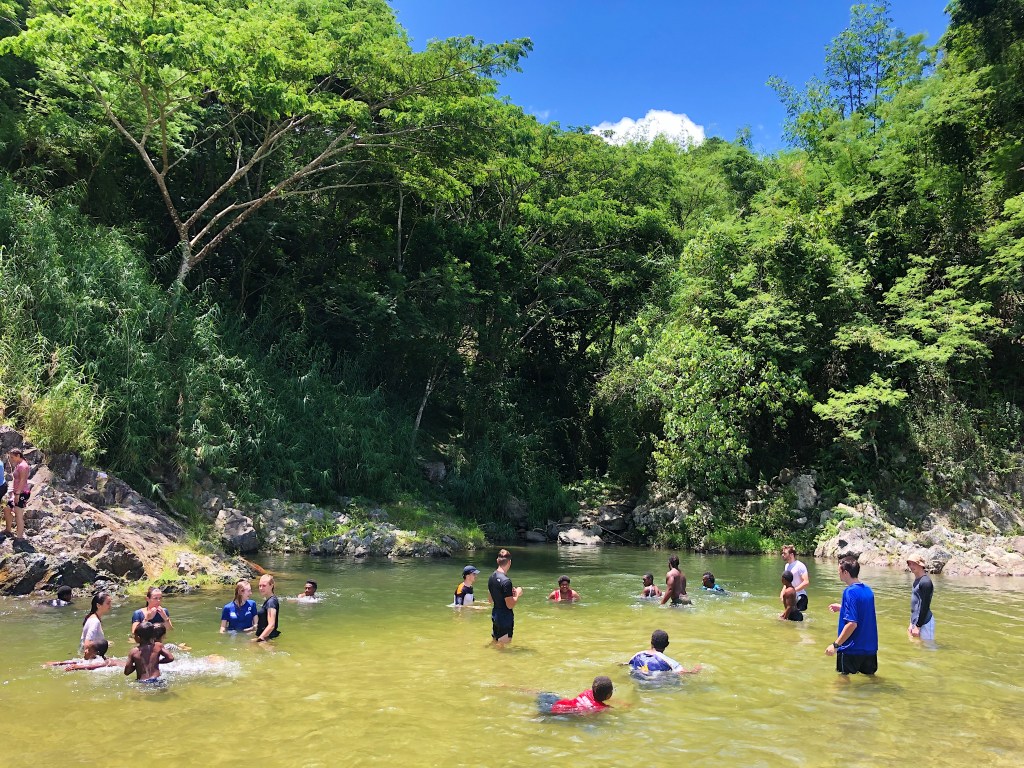
On the other hand, despite dreading the prospect of dumping cold water on my head every morning, I did not mind the cold bucket showers. It was so hot that a cold bath was more of a relief than anything else, and I actually took most of my showers–fully clothed–in the river (although I was highly skeptical after initially hearing this proposal from my host mom). In fact, river baths doubled as social hour with the volunteers and whichever village children decided to follow us there too.
Although I had largely grown used to the Fijian lifestyle by mid-trip, I still had days when I yearned for home comforts. But, I learned that I could choose to be daunted by the remaining weeks I had in the village, or take it one day, even one hour, at a time, which proved to be both more manageable and more enjoyable.
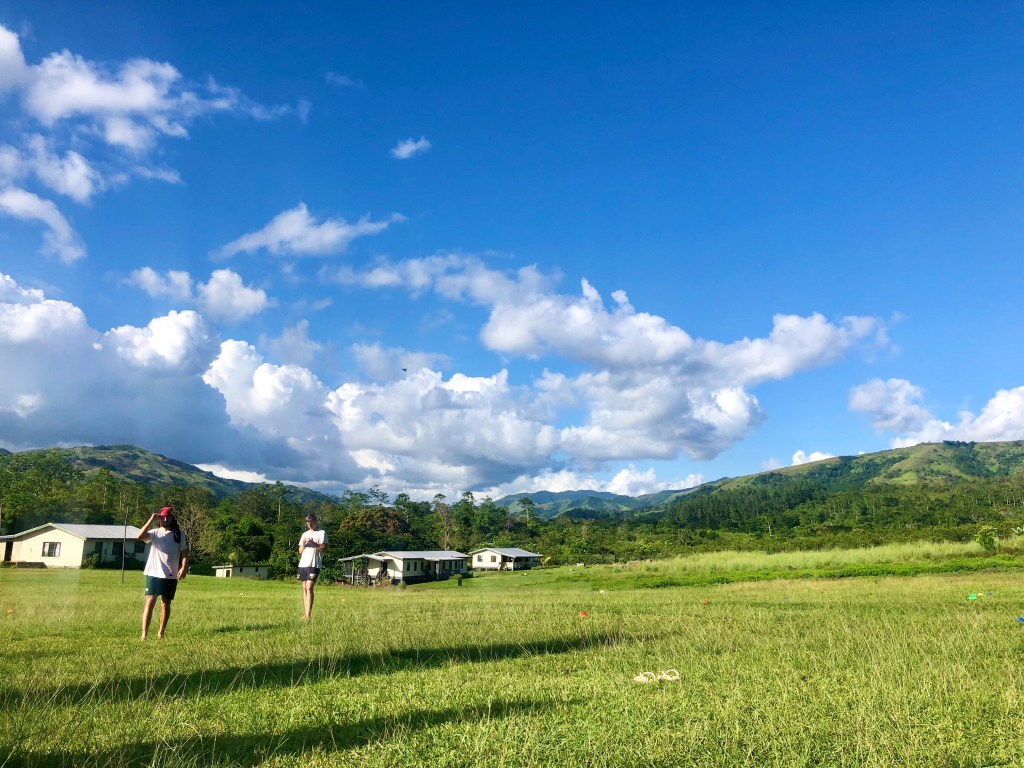
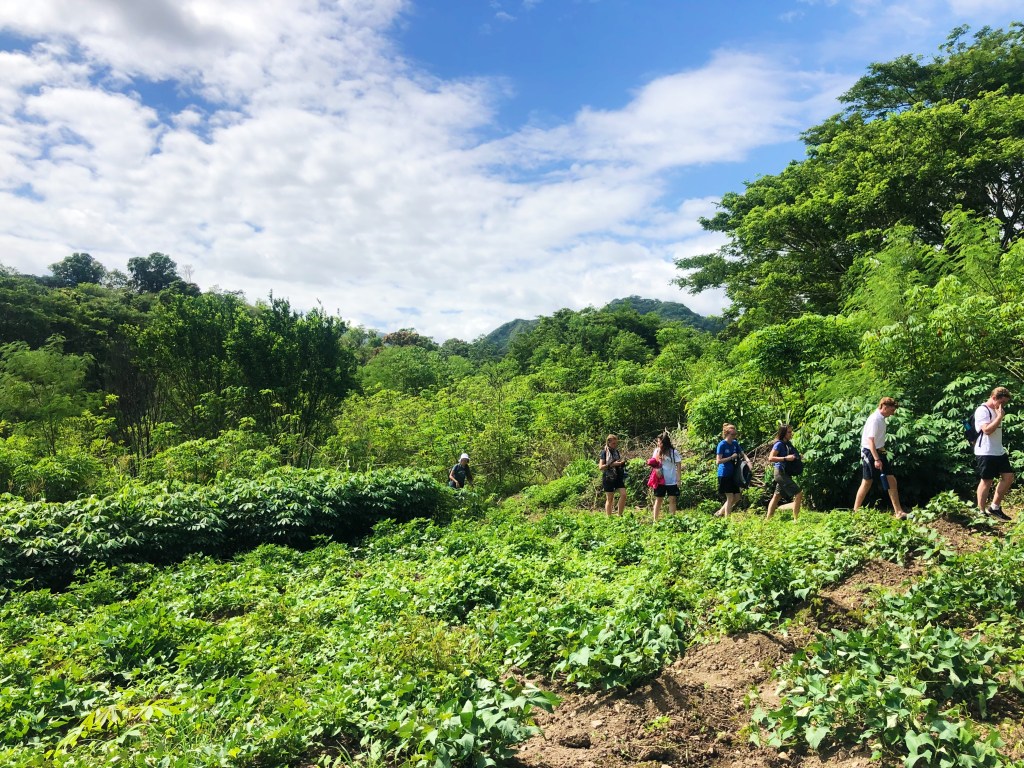
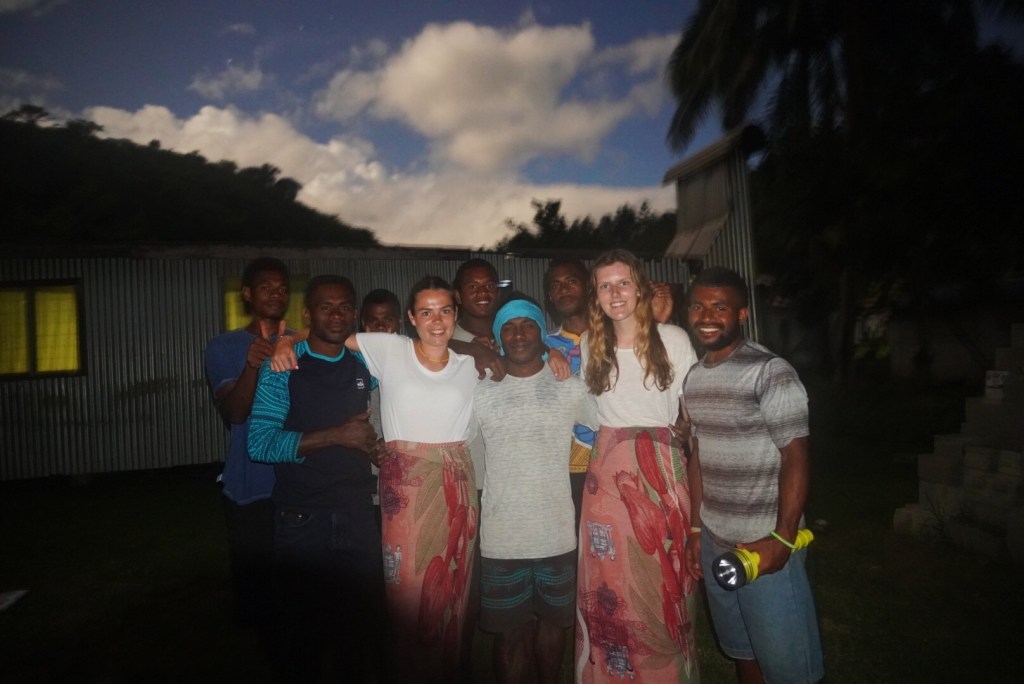
For this reason, I had a gratifying and fun experience. Every one of us 24 volunteers genuinely wanted to be there. We embraced each awkward dance or song, unknown food, 2-hour church service in Fijian, and foreign custom. Although I originally wished I were in a beachside village, I never would have seen the beauty of the Fijian highlands otherwise. To further explore the region, we also got to take some excursions. We saw hot springs, farmed, went fishing, raced bilibili (river rafts), and even explored caves (arguably too dangerous and resulted in some near-death experiences, but we made it out!). Because these excursions were led by the village youths, we got to know them in a new light outside of the workshops. One in particular, Buks, never failed to make us smile with his constant reminders of “be happy, no homesick, no sad”.
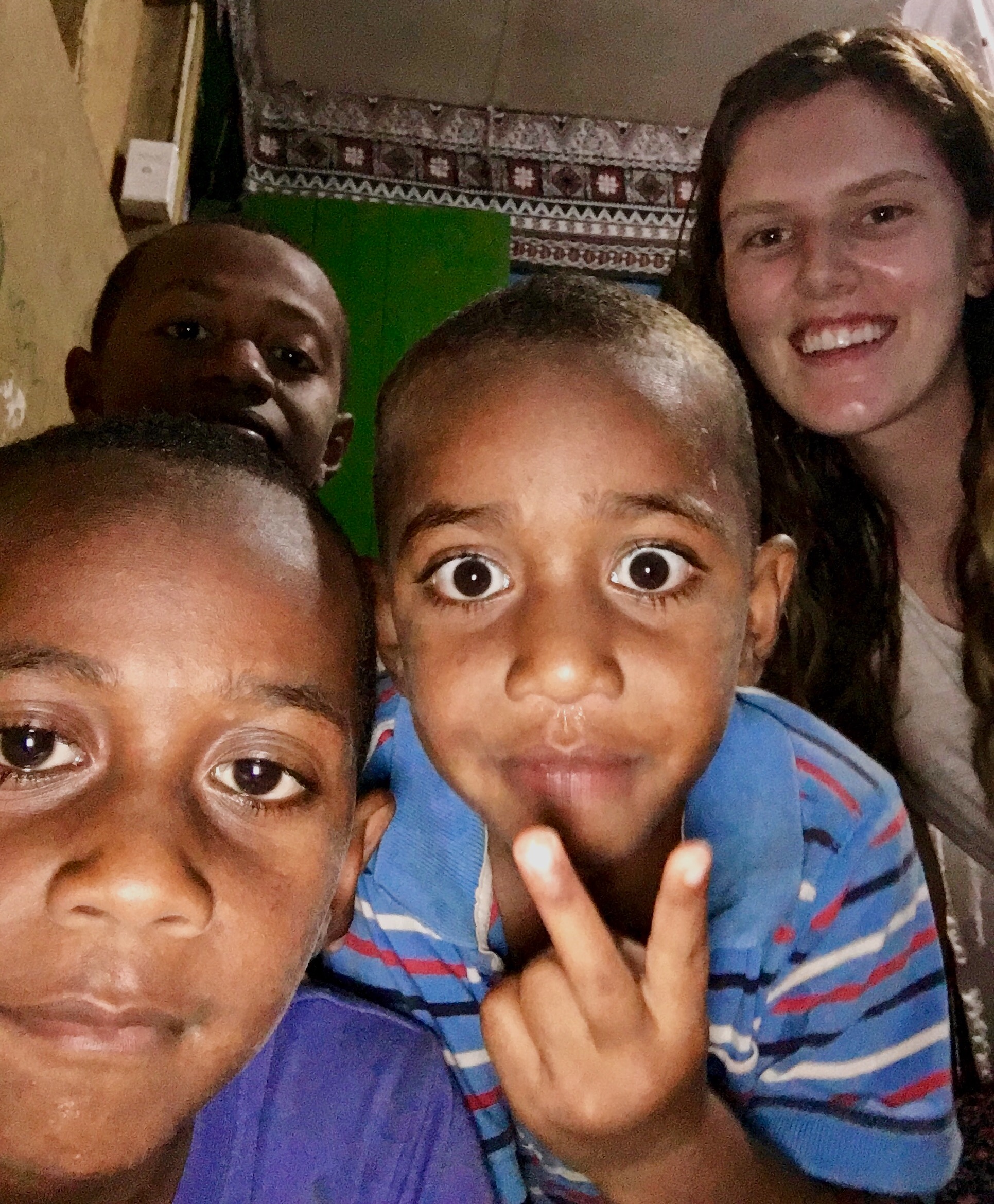
Becoming close to my family was another highlight of my experience. My youngest brother, Vanua, is a fiery one! From dancing around the kitchen naked to chasing my roommate and me with a dead chicken, we were never bored with him. By the end, the boys truly felt like family, especially when Vanua tormented us or when we helped Langi with his homework.
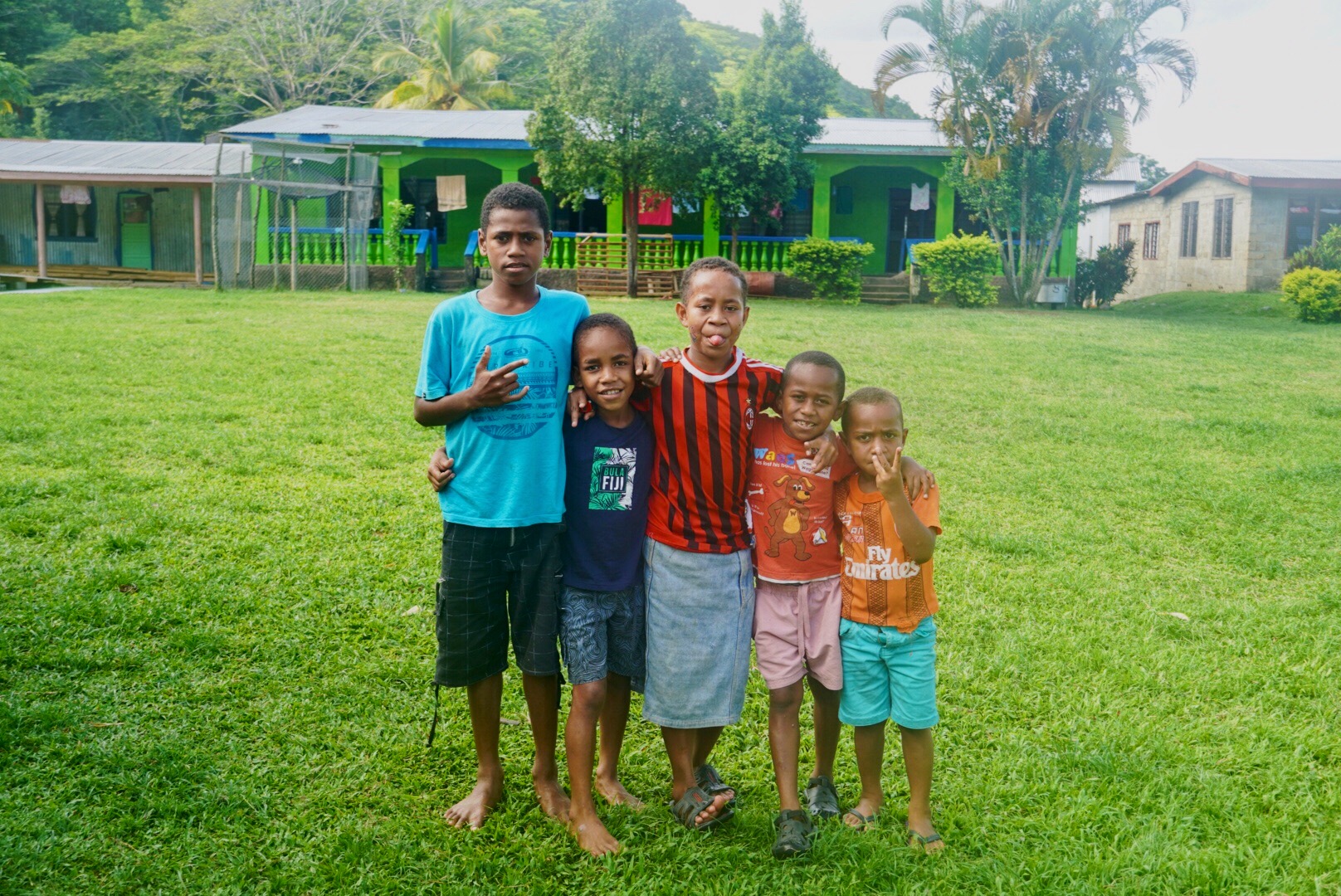

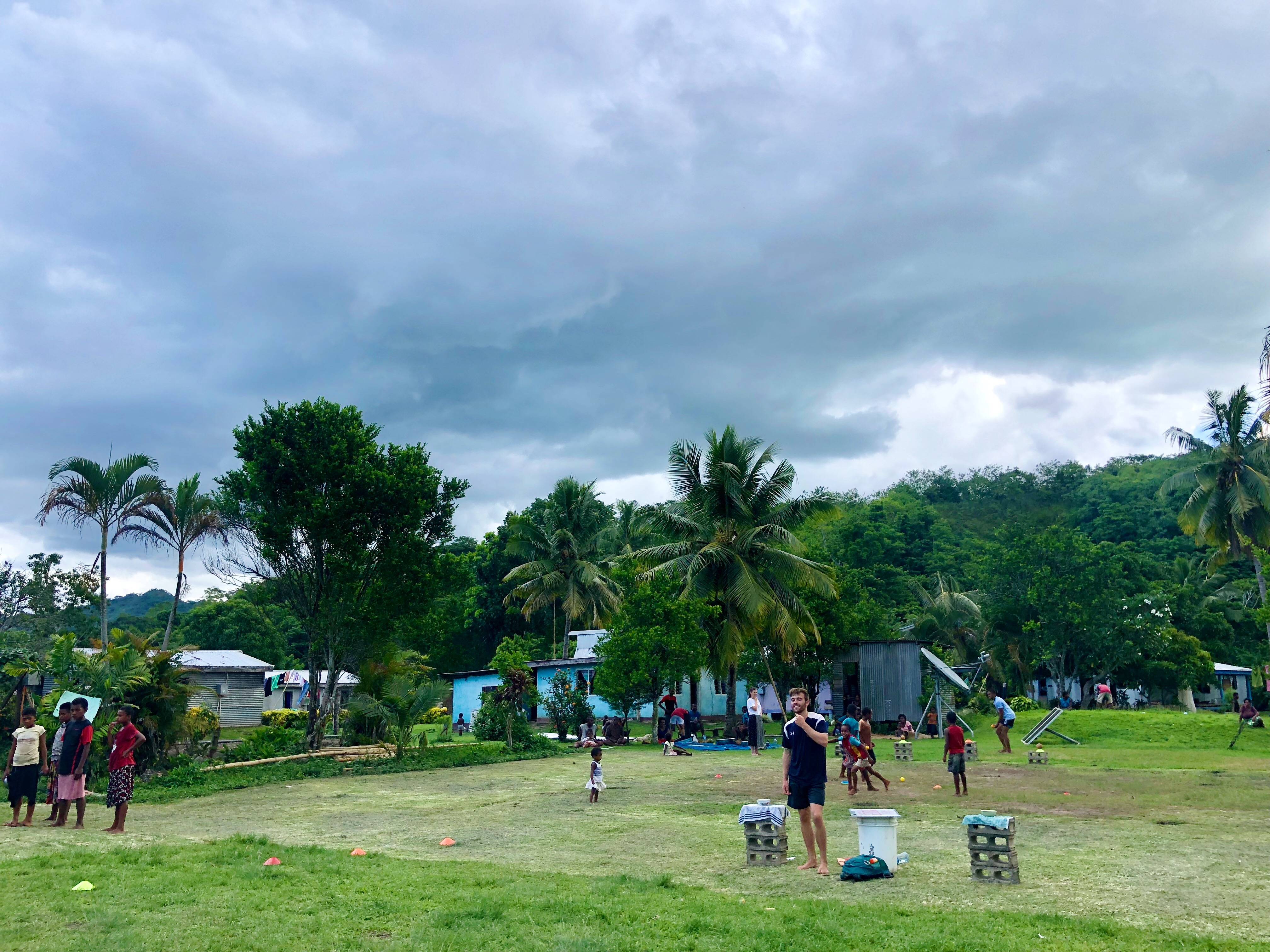
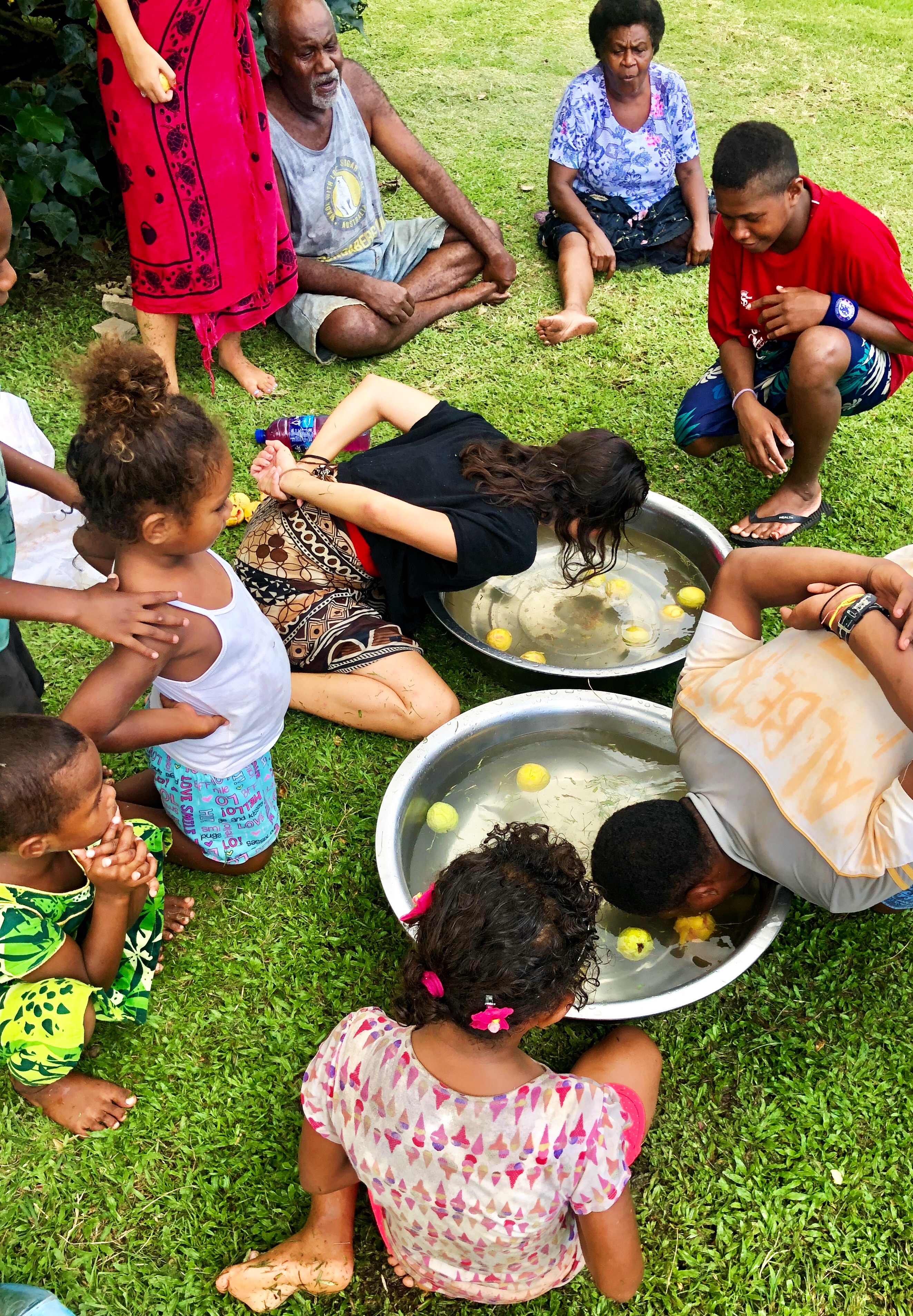
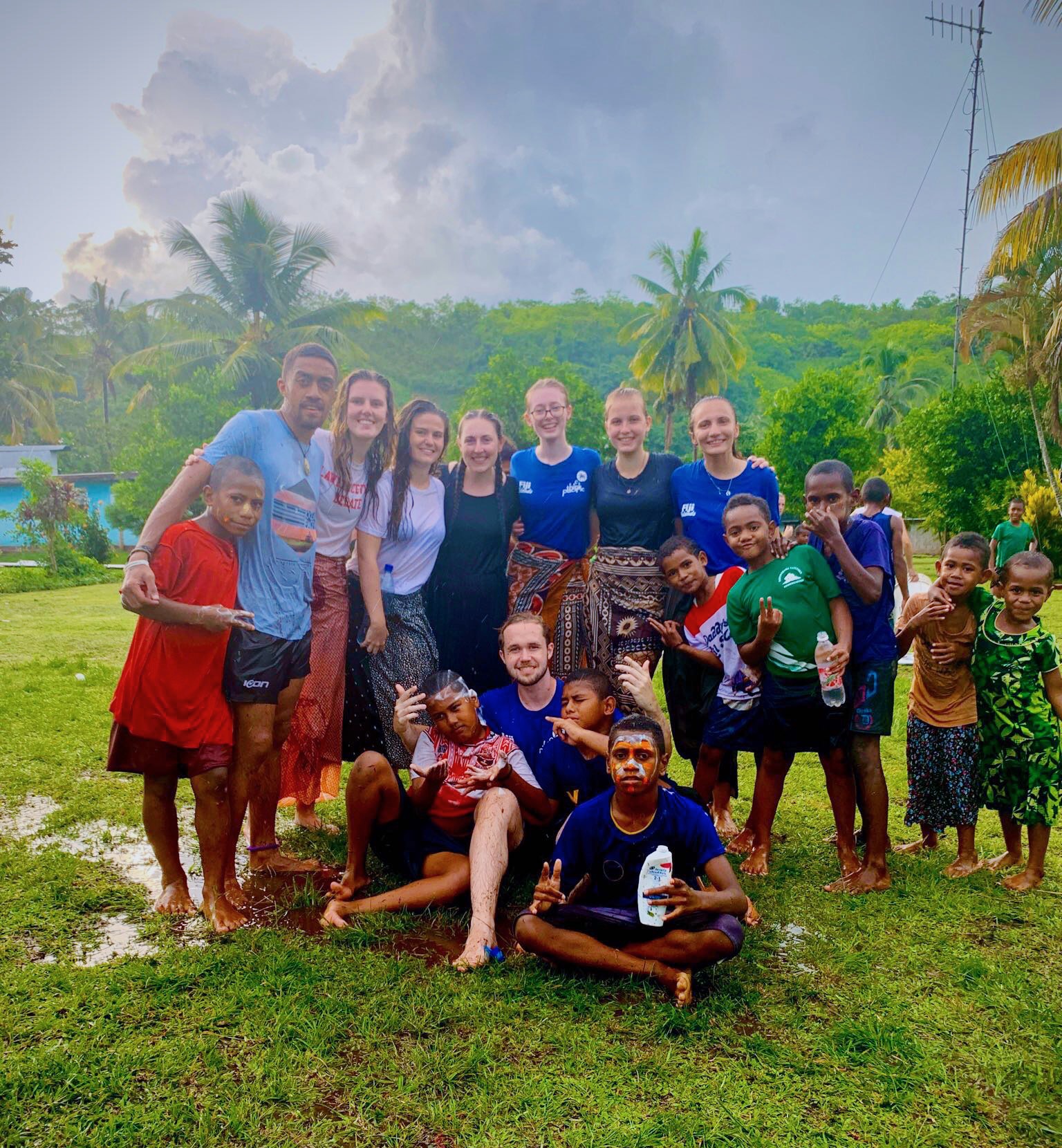
My favorite day of project was when we hosted a village fun day for the community. Groups of volunteers made up games for the children to play, we sold cake to raise money for the village, and our trip leaders were even able to sell (at a low price) clothes and other items that volunteers no longer needed. It ended in a torrential downpour, typical for Fiji’s rainy season, but that made the day all-the-more fun.
Leading the workshops–and village life in general–also gave me a new understanding of the problems actually facing the village, versus those we expected. It is easy to put all people in third world countries in one box, wrongly assigning to them issues of poverty and unhappiness, but that is not always true. Moreover, even worldwide issues have different causes in different places. For this reason, it is important to truly understand a community before trying to enact change.
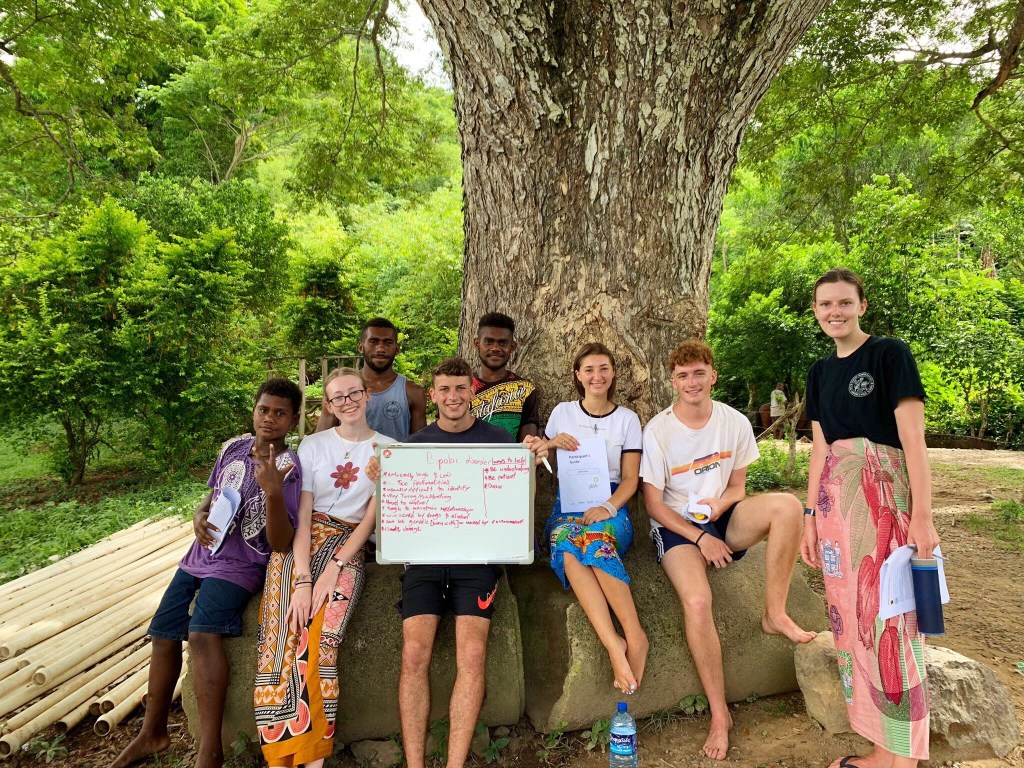
I can only speak for what I witnessed in this particular village, but families often had the money to buy food and other necessary items. However, we found that while our workshops focused on teaching the youths about healthy habits (ex. brushing teeth, eating a balanced diet), they often knew this information already but struggled to implement these practices and did not understand the importance of doing so. Especially with diet, teaching the information to male youths when the women are the ones who cook did not accomplish much. Likewise, the men are often doing physical field work during the day and have less health issues than the women, who spend most days in and around the house, but the attendees of our workshops were mostly men.
Since it was the first time Think Pacific volunteers led workshops instead of working in the schools, we had a lot of takeaways on improvements for future workshops, as well as additional insights on the social structure of villages after speaking to many youths and older adults.
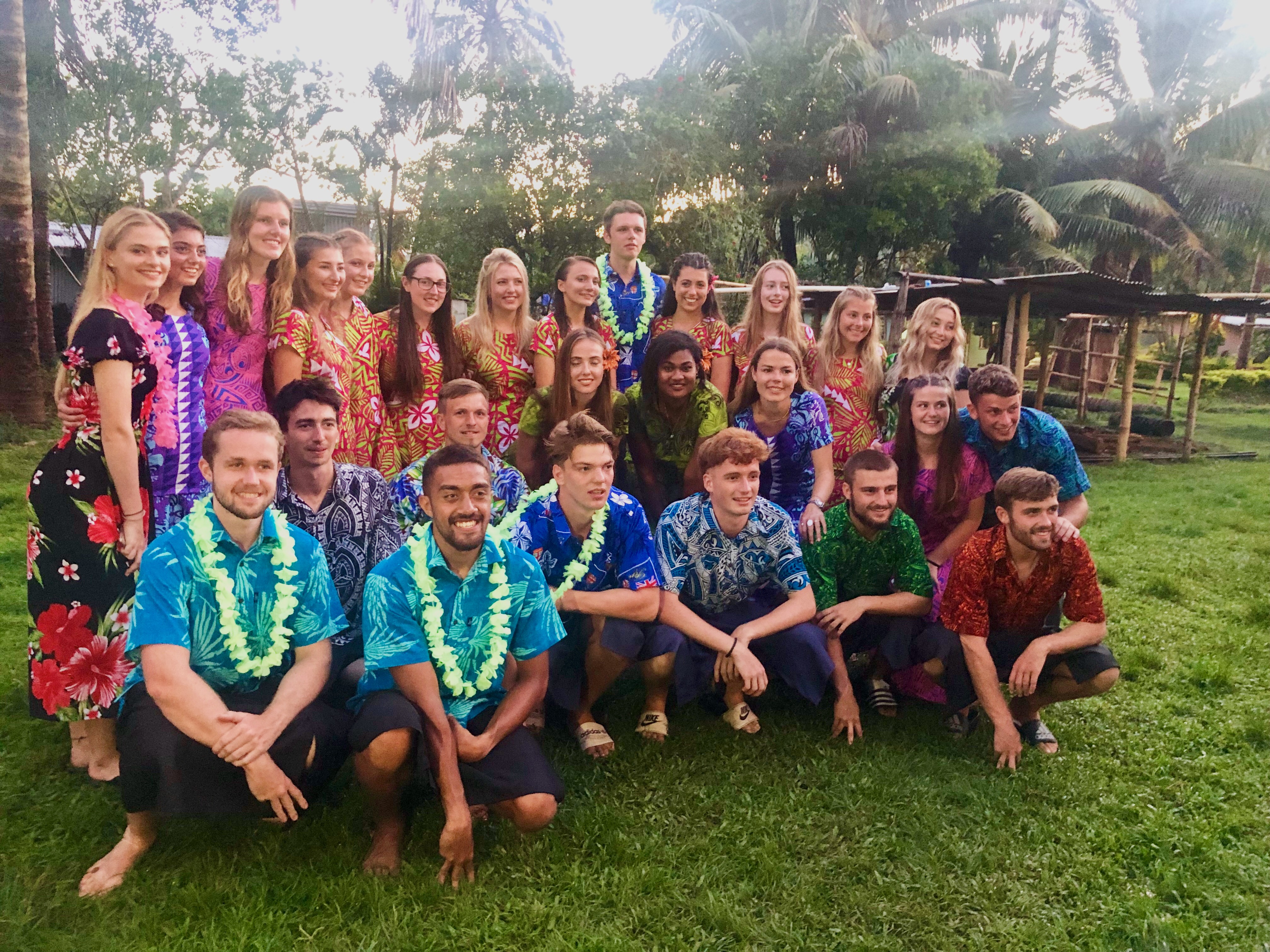
While I didn’t get on the plane back home feeling changed to my core, life-altered, I do believe that each person is shaped by his or her experiences. Whether we see these effects immediately or they take some time to show their face, expanding our comfort zones and reaching toward our unknowns help give us more depth and build character. I always laughed at people who come back from a 2-week volunteering stint claiming their lives have been “like, completely changed”, but I can respect those who turn themselves around like that. While that was not necessarily the case for me, I certainly developed a new understanding and appreciation for the Fijian lifestyle.
So to anyone debating signing up, even if parts of this post scared you a little, my advice is: Do it. Pack bandaids, sunscreen, and everything in between, and hop on a plane. You won’t regret it.
P.S. I hope everyone is staying healthy and happy during these times. – Madeleine
 Salut Madeleine
What a wonderful experience! I enjoyed your video and I am very proud of you and how you chose to grow through your observations of a very different culture to develop your global outlook.
LikeLike